

When a dental emergency strikes in Fleming Island, quick and reliable care is essential to ease pain and prevent further damage. People often wonder where to turn when faced with sudden toothaches, broken teeth, or other urgent oral health issues. Emergency dental services in Fleming Island provide fast access to professional help, ensuring patients get timely treatment when it matters most.
These services are designed to handle a range of urgent dental problems, from knocked-out teeth to severe infections. Dentists in the area prioritize patient comfort and use modern techniques to offer effective relief without unnecessary delays. Knowing where to find these services can make all the difference in managing unexpected dental pain calmly and confidently.
For those living in or near Fleming Island, having a trusted emergency dental option nearby means peace of mind and better outcomes. It’s always a good idea to understand what to expect and how to act quickly if a dental crisis occurs.
What Constitutes a Dental Emergency?
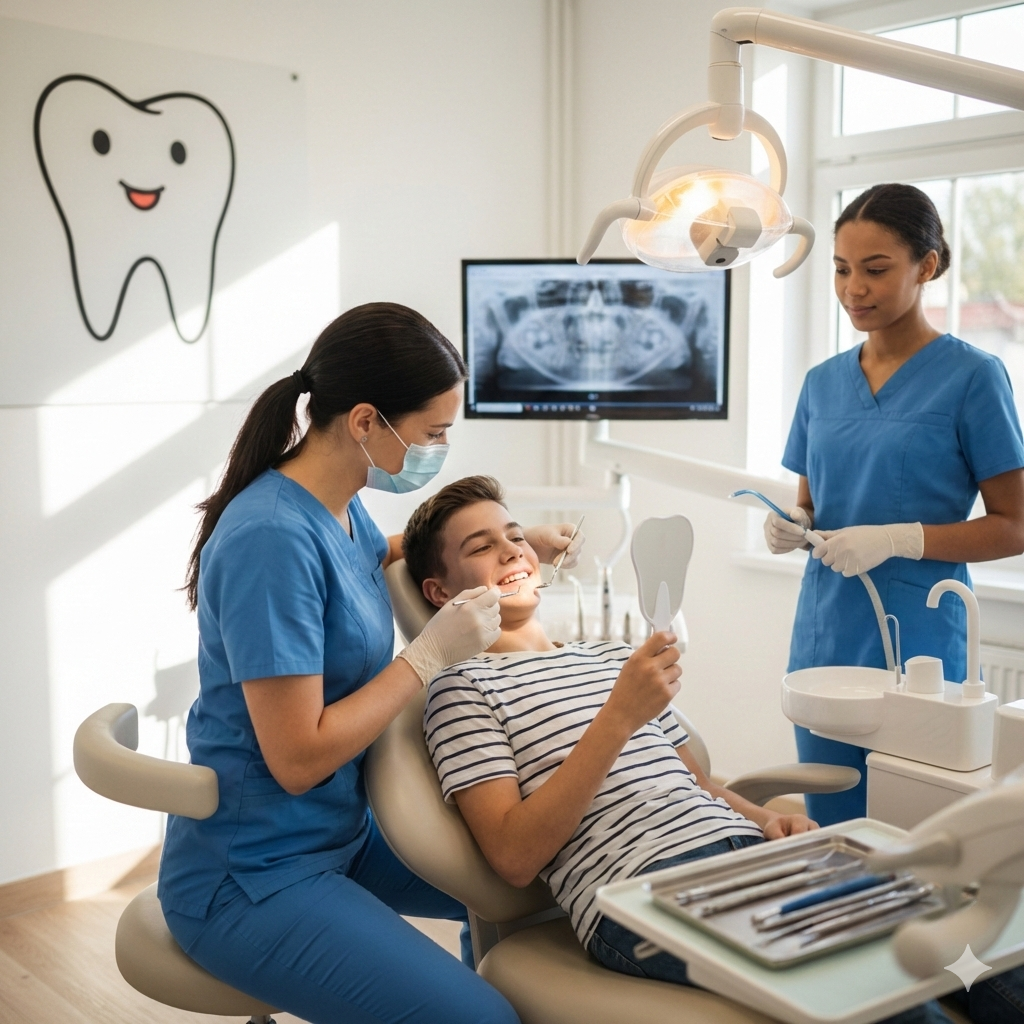
Dental emergencies involve situations that need immediate professional care to relieve pain, prevent infection, or save a tooth. Not every dental issue requires urgent treatment, but knowing when to act quickly can make a big difference in outcomes.
Recognizing Common Dental Emergencies
Common dental emergencies include severe toothaches, knocked-out teeth, broken or chipped teeth, and infections causing swelling or fever. A lost filling or crown can sometimes wait for a regular appointment unless it causes pain or sharp edges that irritate the mouth.
Injuries to the soft tissues like lips, tongue, or gums that bleed heavily should be treated promptly. Persistent bleeding after an injury or trauma to the mouth is also a sign to seek emergency care. If there’s a foul taste or bad breath combined with swelling, an abscess or serious infection may be present.
When to Seek Immediate Care
Immediate care is necessary when pain is severe and unmanageable with over-the-counter painkillers or when swelling affects breathing or swallowing. A knocked-out permanent tooth must be addressed within one hour for the best chance of saving it.
Uncontrolled bleeding from dental trauma or sudden, intense pain that wakes someone from sleep also requires urgent attention. If a tooth is fractured and exposes the nerve, prompt treatment can prevent infection and more complex procedures.
Risks of Delaying Emergency Treatment
Delaying emergency dental care can lead to infections spreading to surrounding tissues or even the bloodstream. Untreated abscesses increase the risk of serious health complications.
Waiting too long after tooth trauma lowers the chance of saving the tooth, potentially resulting in the need for extraction. Persistent pain and swelling may worsen and make treatment more complicated, extending recovery time and increasing costs.
Emergency Dental Services Available in Fleming Island
People facing dental emergencies need timely and reliable care to relieve pain and prevent further damage. Fleming Island offers options that include same-day visits, after-hours support, and tailored urgent care plans to handle a variety of dental crises effectively.
Same-Day Appointments and Walk-Ins
Many Fleming Island dental offices reserve slots specifically for emergency cases, making same-day appointments possible. This means patients can get quick help for issues like severe toothaches, broken teeth, or lost fillings without long waits.
Walk-in clinics are also common, allowing people to receive care without prior scheduling. This flexibility is crucial when sudden dental problems disrupt daily life. Offices focus on immediate pain relief and stabilizing the condition, sometimes requiring follow-up visits for full treatment.
Emergency services often prioritize patient comfort, using modern anesthetics and calming techniques. This approach helps reduce stress while addressing the problem efficiently.
After-Hours and Weekend Dental Care
Dental emergencies rarely follow a 9-to-5 schedule, which is why many Fleming Island dentists provide after-hours and weekend care. These extended hours ensure patients don’t have to wait until regular office times to get urgent help.
After-hours services commonly include phone consultations to assess the situation and recommend next steps. Dentists might arrange for immediate in-office treatment or direct patients to emergency facilities if necessary.
Weekend availability is valuable for families and working adults who cannot visit during the week. It provides peace of mind knowing expert dental help is accessible even on short notice.
How Local Dentists Handle Urgent Cases
When urgent dental issues arise, Fleming Island dentists begin with a quick but thorough examination to identify the cause. X-rays or digital scans are often used on-site to get a clear picture without delay.
Treatment commonly focuses on symptom relief, such as reducing pain and swelling, before planning longer-term repairs like crowns or root canals. For trauma cases, stabilizing teeth and managing soft tissue injuries is a priority.
Dentists also provide important aftercare instructions to promote healing and prevent complications. They encourage follow-up visits to monitor progress and complete necessary treatments, ensuring patients recover fully and comfortably.
Types of Dental Emergencies Treated
Emergency dental services on Fleming Island cover a range of urgent issues that need prompt attention to relieve pain and prevent further damage. Many treatments focus on saving the tooth and restoring function quickly.
Severe Toothache Relief
Severe toothaches often indicate infection, decay, or inflammation deep inside the tooth. Emergency dentists first assess the source of pain using exams or X-rays. They may provide pain relief through local anesthesia and prescribe antibiotics if an infection is present.
Treatment often involves cleaning out decay or draining an abscess to reduce pressure and discomfort. In some cases, a root canal is performed to save the tooth. Patients are advised to avoid extreme temperatures and sugary foods until treatment is complete to prevent worsening pain.
Managing Broken or Knocked-Out Teeth
Broken or knocked-out teeth require immediate care to improve the chance of saving the tooth. If a tooth is knocked out, it should be handled by the crown (not the root) and kept moist, ideally in milk or saliva.
Emergency dentists reposition and stabilize fractured teeth or attempt to reimplant avulsed ones as soon as possible. Follow-up treatments might include crowns, root canals, or splinting to protect the tooth while it heals. Quick action significantly increases success.
Handling Lost Fillings and Crowns
Lost fillings or crowns expose the inner tooth to bacteria and sensitivity. Emergency dental care involves cleaning the area and placing a temporary or permanent restoration to protect the tooth.
If the crown or filling is intact, it may be re-cemented. If not, the dentist will create a new restoration. Patients are advised to avoid chewing on the affected side and maintain good oral hygiene to reduce discomfort and prevent infection until treatment is completed.
What to Expect During an Emergency Dental Visit
An emergency dental visit focuses on quickly identifying the problem, relieving pain, and planning effective treatment. The process is designed to make patients feel comfortable while moving efficiently from diagnosis to care.
Initial Assessment and Comfort Measures
When patients arrive, the dentist first reviews their symptoms and any recent dental history. A quick exam helps determine the source of pain or damage. This might include X-rays to spot issues not visible to the naked eye.
Comfort is a priority from the start. The dental team often provides cold compresses or recommends over-the-counter pain relief right away. They listen carefully to the patient’s concerns, creating a calm environment to ease anxiety before beginning any procedures.
Modern Pain Management Techniques
Pain control is central during emergency visits. Dentists use targeted numbing agents to block pain in the affected area without excessive sedation. For severe cases, mild oral sedatives or nitrous oxide might be offered to relax the patient while maintaining responsiveness.
Local anesthesia is typically quick-acting and wears off gradually, allowing patients to recover comfortably. Dentists also explain pain management plans for after the visit, including prescription or non-prescription options tailored to the patient’s needs.
Steps Toward Long-Term Solutions
Once pain is controlled, the focus shifts to fixing the problem. This could involve repairing a broken tooth, treating an infection, or stabilizing an injury. Some treatments may be completed during the emergency visit, while others require follow-up appointments.
The dentist outlines clear steps for healing and prevention, including oral hygiene tips and dietary advice. Patients receive a personalized treatment plan to restore their dental health fully and avoid future emergencies.
How to Prepare for a Dental Emergency
Knowing the right steps to take before, during, and after a dental emergency can help reduce pain and limit damage. Having a clear plan and the right supplies at hand makes it easier to act quickly and confidently.
First Aid Tips for Dental Injuries
If a tooth is knocked out, find it immediately, hold it by the crown (not the root), and rinse it gently with water if dirty. Try to place the tooth back into its socket or keep it in a cup of milk or saline solution until seeing a dentist.
For a chipped or broken tooth, rinse your mouth with warm water. Apply a cold compress outside the cheek to reduce swelling and control pain. Avoid using aspirin directly on the gums or tooth, as it can cause irritation.
Bleeding from a tooth injury should be controlled with a clean gauze pad or cloth, pressed firmly for 10 minutes. If bleeding persists beyond this, seek emergency care immediately.
When to Call 911 or Go to the ER
Call 911 or go to the emergency room if there is severe facial trauma, uncontrolled bleeding, or difficulty breathing and swallowing. If the injury involves a jaw fracture, visible bone, or loss of consciousness, immediate medical attention is critical.
A dental emergency requiring a visit to the ER includes a knocked-out permanent tooth, especially if it cannot be reinserted quickly or if the patient experiences severe pain and swelling that might block airways.
For less urgent cases, such as mild tooth pain or slight chipping, visiting an emergency dental clinic in Fleming Island is usually the best choice rather than the ER.
Your Emergency Dental Care Kit
A well-stocked dental emergency kit can be a lifesaver. It should include:
- Sterile gauze pads to control bleeding
- Saline solution or milk for storing knocked-out teeth
- A small container with a lid to keep a lost tooth or broken pieces safe
- Pain relievers like ibuprofen, but never aspirin on the gums
- Clean cloths or paper towels for applying pressure
- Gloves for hygiene when handling injuries
Having this kit accessible at home, work, or in your car helps ensure quick, appropriate treatment when time is critical. Regularly check and replace expired items to stay prepared.
Costs and Insurance for Emergency Dental Services
Emergency dental care costs vary depending on the type and severity of the treatment. Insurance coverage can reduce out-of-pocket expenses, but patients should understand which services are included and what payment options are available.
Typical Costs for Urgent Treatment
Emergency dental treatments like tooth extractions or root canals usually range from $150 to $1,200. Simple procedures, such as relieving pain or placing temporary fillings, often cost less, around $100 to $300.
More complex care, including dental surgery or trauma repair, can cost upwards of $1,000. Additional charges for X-rays or medications may apply.
Patients should always ask for an estimated cost before treatment begins. This helps avoid surprises and plan payment accordingly.
Accepted Insurance and Payment Options
Most emergency dental clinics in Fleming Island accept major dental insurance plans, including PPOs and some Medicaid programs. However, coverage for emergencies varies by plan, so it’s important to confirm benefits beforehand.
Insurance typically covers part of the cost for emergency exams and specific treatments but may exclude certain procedures or medications. Out-of-network policies might increase costs.
For uninsured patients, clinics may accept cash, credit cards, or checks. Many offices offer clear billing statements and upfront pricing to make payments transparent.
Financing and Flexible Plans
Many dental offices provide financing options like CareCredit, allowing patients to spread payments over several months. These plans often come with low or no interest for a set period.
Flexible payment arrangements can ease financial stress in urgent situations. Some clinics even offer discounts for prompt payments or multiple treatments.
Patients are encouraged to ask about installment plans or in-house financing before treatment. This approach helps them get care without delay or financial strain.
Choosing the Right Emergency Dentist in Fleming Island
Finding an emergency dentist means balancing expertise, comfort, and trustworthy advice. It’s about more than quick fixes — it’s ensuring treatment is done right, with care that puts patients at ease when they need it most.
Qualifications to Look For
A skilled emergency dentist in Fleming Island should be licensed and board-certified in general or emergency dentistry. Check if they have experience managing urgent cases like severe toothaches, broken teeth, or infections. Advanced training in pain management and sedation options is also a big plus, helping to minimize discomfort during treatment.
Look for dentists affiliated with reputable dental associations. These connections often mean ongoing education and adherence to high standards. Verification of these credentials can typically be done online or by asking the dental office directly. Prioritize dentists who stay current with new emergency techniques and technologies, as this keeps care effective and timely.
Patient-Focused Care and Comfort
Emergency dental visits are stressful, so caring providers focus on reducing anxiety. Look for clinics offering warm, welcoming environments and staff trained in compassionate communication. Options like sedation, gentle handling, and clear explanations help patients feel safe and informed.
It’s important the dentist listens carefully to symptoms and concerns. Prompt, personalized care reduces pain quickly and prevents complications. Flexible scheduling, after-hours availability, and transparent pricing also signal respect for the patient’s needs, demonstrating a practice truly centered on comfort and responsiveness.
Trusted Local Recommendations
Word-of-mouth remains one of the best ways to find a reliable emergency dentist. Family, friends, and coworkers in Fleming Island can share honest experiences about waiting times, treatment quality, and bedside manner. Online reviews and ratings add another layer of insight, but it’s important to read them critically.
Local recommendations often highlight dentists who are consistently compassionate and skilled under pressure. Checking community forums or social media pages for feedback ensures that the dentist chosen fits well with the neighborhood’s expectations. A trusted dentist will have a solid reputation for quick and effective emergency care, saving you time and worry when you need it most.
Proactive Steps to Prevent Dental Emergencies
Preventing dental emergencies starts with smart habits and a little planning. Simple actions like protecting teeth during physical activities, staying on top of regular dental visits, and keeping teeth strong at home can make a big difference.
Protecting Your Mouth During Sports
Wearing a properly fitted mouthguard is one of the best defenses against dental injuries during sports. It cushions impacts to teeth, jaws, and soft tissues, reducing the chance of chips, fractures, or knocks.
Custom mouthguards from a dentist offer better protection and comfort than generic ones. They mold to your mouth’s shape, ensuring a secure fit. Sports like basketball, football, hockey, and even skateboarding are high-risk for dental trauma and strongly benefit from mouthguards.
Avoid using teeth as tools for opening packages or biting hard objects during activities. These habits can weaken teeth and make them more prone to emergencies.
Importance of Routine Dental Checkups
Regular dental checkups help catch problems before they turn into emergencies. Dentists can spot early signs of decay, gum disease, or wear and address them promptly.
A typical visit includes a thorough cleaning and an exam. Preventive treatments like sealants or fluoride applications strengthen teeth and reduce risk. Dentists also check for bite issues or grinding, which could cause emergency problems.
Scheduling dental visits every six months is ideal. Those with a history of dental problems might need more frequent appointments to stay ahead of potential issues.
Tips for Maintaining Strong Teeth at Home
Daily care is key to dental health. Brushing twice a day with fluoride toothpaste and flossing once daily removes plaque, the main cause of decay and gum disease.
Using fluoride mouthwash adds extra protection by making enamel more resistant to acid attacks. Avoiding sugary snacks and drinks limits harm from bacteria that cause cavities.
Staying hydrated and chewing sugarless gum can increase saliva production, which naturally cleans teeth and balances mouth pH. Regularly replacing your toothbrush every three months ensures effective cleaning.
Patients should also avoid habits like nail biting or chewing ice, which can crack or wear down teeth over time. Small changes at home build strong defenses against emergencies.
Next Steps: Your Smile and Peace of Mind
When a dental emergency strikes, prompt care is key. The dental team in Fleming Island understands how unsettling sudden pain or injury can be. Their goal is to restore your smile quickly and gently.
After the initial treatment, maintaining oral health is crucial. They will provide clear instructions for home care and any follow-up visits needed. This helps prevent further issues and supports healing.
Patients can expect modern treatment options tailored to their needs. Whether it’s pain relief, repair, or prevention, the approach prioritizes comfort and effectiveness. The clinic often uses calming techniques to ease anxiety during visits.
Here’s what to keep in mind:
| Step | Why It Matters |
|---|---|
| Contact Immediately | Quick care reduces complications |
| Follow Care Instructions | Ensures proper healing |
| Attend Follow-Up Visits | Monitors recovery and overall health |
| Practice Good Hygiene | Prevents new issues |
Taking action right away and trusting experienced professionals can make a real difference. The team in Fleming Island welcomes questions and consultations to help every patient feel confident and cared for—even during emergencies.
Frequently Asked Questions
Knowing when to act quickly and how to manage pain before seeing a dentist can make a big difference. It’s important to understand what symptoms require urgent care and how to prepare for a visit.
What should I do if I experience a toothache in the middle of the night?
Rinsing the mouth with warm water and gently flossing can help remove any trapped food that might cause discomfort. Over-the-counter pain relievers like ibuprofen can reduce pain and inflammation until professional care is available.
How can I tell if my dental problem is an emergency that requires immediate attention?
Severe pain that won’t go away, swelling, bleeding that doesn’t stop, or a broken tooth exposing the nerve usually call for prompt care. If there’s difficulty breathing or swallowing, it’s critical to seek emergency help immediately.
What are my options for pain relief if I can’t see a dentist right away?
Applying a cold compress to the cheek can reduce swelling and numb pain. Avoid very hot or cold foods and try over-the-counter pain medications as directed to manage discomfort temporarily.
Can you provide services for a knocked-out tooth, and how quickly should I seek help?
Yes, emergency dental services in Fleming Island can often save a knocked-out tooth if treated within an hour. Keep the tooth moist by placing it in milk or saliva and get to the dentist as soon as possible.
Are there any emergency dental treatments available for children in Fleming Island?
Emergency dental care for kids is available and tailored to their specific needs. Early treatment can prevent complications from injuries or severe toothaches and offer child-friendly pain relief options.
What steps should I take to prepare for an emergency dental visit?
Bring any relevant medical history, a list of current medications, and insurance information if applicable. Arrive as calm as possible and be ready to describe your symptoms clearly to help the dentist provide the best care.