
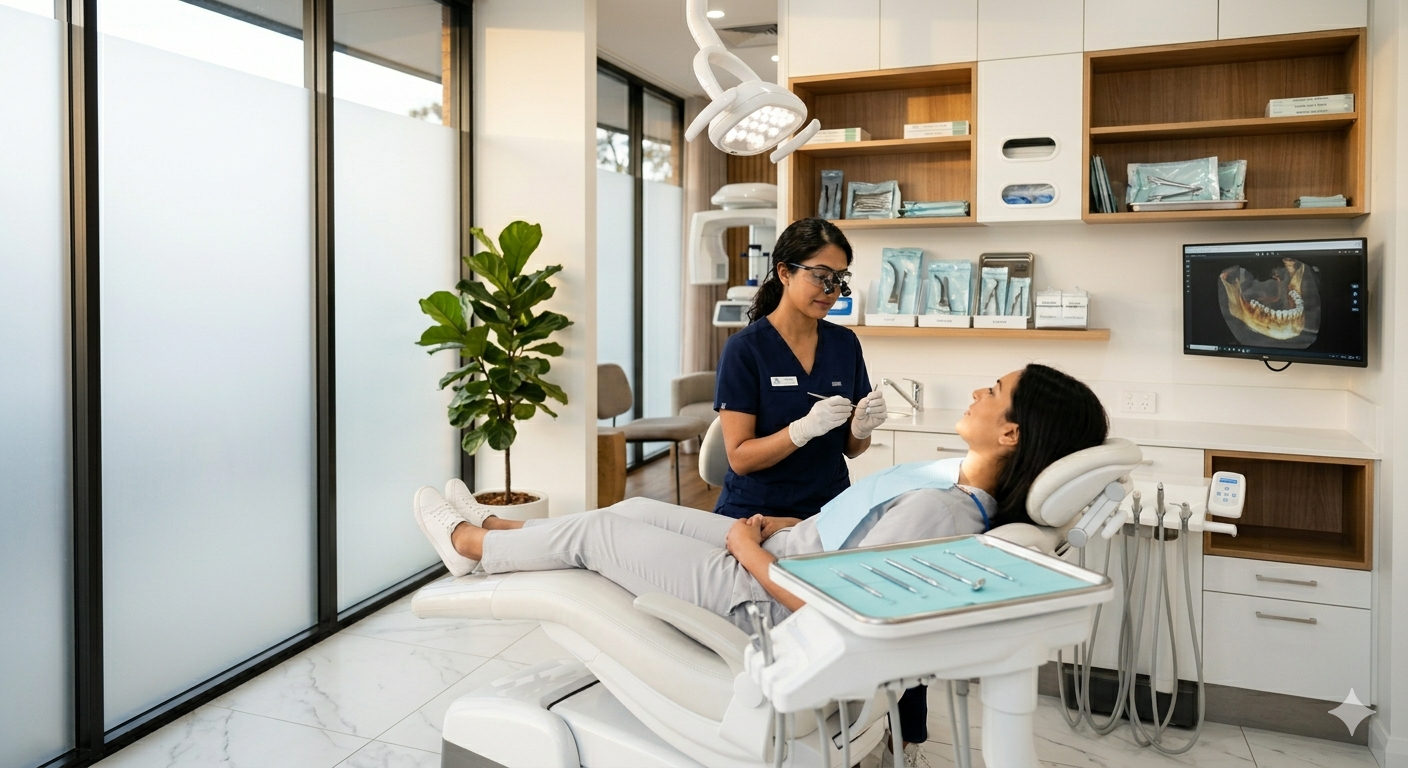
Dental implants have become a popular solution for people in Fleming Island, FL, looking to restore their smile and improve oral health. They provide a long-lasting, natural-looking option that supports bone health and enhances chewing ability better than traditional dentures or bridges. This makes them a valuable choice for many patients.
People often worry about comfort and the procedure itself, but modern dental implants are designed with patient care in mind. The process is tailored to individual needs, with a focus on minimizing discomfort and ensuring a smooth recovery.
For those curious about how dental implants might fit into their lifestyle, understanding these benefits can help ease concerns and open the door to a more confident smile. It’s always a good idea to talk with a local dental expert to explore personalized options.
Why Dental Implants Are a Popular Choice
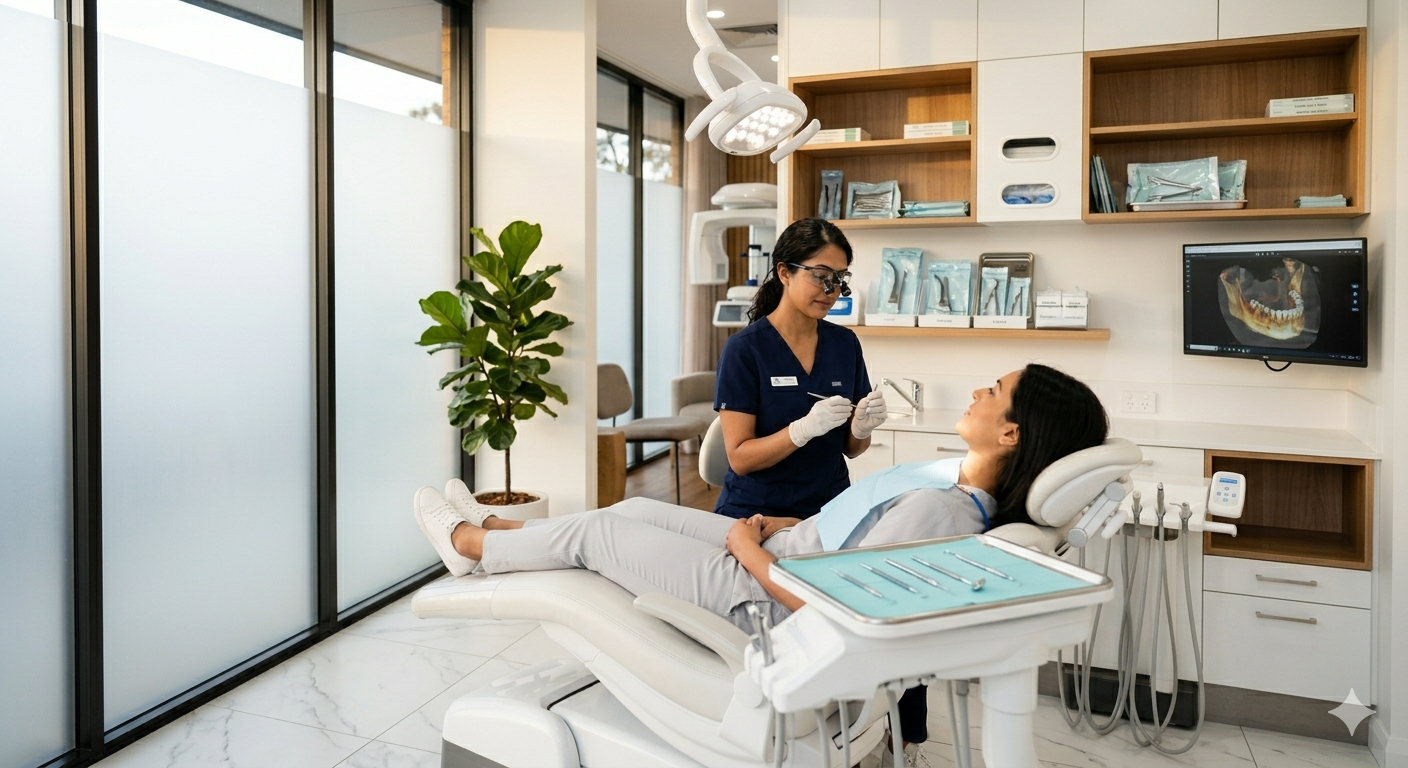
Dental implants offer a reliable way to replace missing teeth while improving both appearance and function. They bring benefits that go beyond simple tooth replacement, aiding in everyday activities like eating and speaking. Plus, they have a positive impact on how patients feel about their smiles and themselves.
Restoring Your Smile’s Natural Look
Dental implants are designed to look and feel like natural teeth. The implant’s crown matches the shape, size, and color of surrounding teeth, so it blends seamlessly into the smile. Unlike dentures, implants don’t shift or create gaps, providing a consistent and natural appearance.
Because implants bond with the jawbone, they help maintain facial structure by preventing bone loss that usually happens after tooth loss. This support keeps cheeks from looking sunken and preserves a youthful facial profile.
Improved Chewing and Speech
Chewing with dental implants feels more natural compared to removable dentures. The implants are firmly anchored in the jawbone, restoring bite strength and allowing patients to eat a variety of foods comfortably. This means less worry about slipping or discomfort while enjoying meals.
Speech also benefits from implants because they don’t move around when talking. Removable dentures sometimes cause slurring or clicking sounds, but implants provide stable support for clear pronunciation.
Boosting Your Confidence
Dental implants can greatly improve self-esteem by restoring a complete smile. Missing teeth or loose dentures often cause people to feel self-conscious, but implants offer a secure solution. Patients usually find themselves smiling more and feeling better about social interactions.
The permanent nature of implants means less time spent on adjustments and upkeep. This ease, combined with a natural look and feel, reassures patients that their smile is strong and dependable every day.
The Lasting Value of Dental Implants
Dental implants offer benefits that reach well beyond the initial tooth replacement. Their design and function contribute to enduring oral health and stability, making them a smart choice for those seeking a long-term solution.
Long-Term Durability and Reliability
Dental implants are made from titanium, a metal known for its strength and biocompatibility. This allows them to fuse directly with the jawbone, creating a stable anchor for crowns or bridges.
Unlike dentures, implants do not slip or wear down easily. With proper care, they can last 20 years or more, often becoming a permanent part of the smile. Regular dental checkups help ensure the implant stays secure and healthy over time.
Supporting Jawbone Health
When a tooth is missing, the jawbone can begin to shrink due to lack of stimulation. Implants prevent this by mimicking natural tooth roots, encouraging the bone to stay strong.
This stimulation preserves facial structure and can prevent the sunken appearance sometimes caused by bone loss. Maintaining jawbone density also supports the stability of neighboring teeth and overall oral function.
Protecting Surrounding Teeth
Traditional bridges require grinding down healthy teeth for support, which weakens them. Dental implants stand alone and do not rely on adjacent teeth for anchoring.
By preserving the integrity of neighboring teeth, implants reduce the risk of future dental problems. This approach helps keep the mouth healthier and reduces the need for additional restorative work, saving time and discomfort.
Comfort and Convenience for Everyday Life
Dental implants integrate seamlessly into daily routines, offering a natural feel and dependable function. They help avoid many of the inconveniences often experienced with other tooth replacement options.
Ease of Maintenance
Unlike dentures, dental implants require no special soaking or adhesives. They can be cared for just like natural teeth, with regular brushing and flossing.
Patients appreciate that implants don’t need to be removed at night, simplifying oral hygiene. Routine dental visits remain important to check gum health and implant stability, but overall care fits right into normal habits.
This ease reduces the risk of infection and gum irritation since implants help maintain healthy gums and bone. For people with busy lives in Fleming Island, this straightforward care is a major convenience.
Enjoying Your Favorite Foods Again
One of the biggest benefits of dental implants is the ability to eat confidently without fear of slipping or discomfort. They restore full chewing power, allowing people to enjoy crunchy vegetables, nuts, and chewy meats.
With implants, biting into an apple or a steak is safe and comfortable because the prosthetic teeth are firmly anchored into the jawbone. This stability protects the surrounding teeth and jaw.
This means no more diet restrictions or awkward moments at mealtime. Patients regain the pleasure of eating what they love and sharing meals with friends and family without worry.
Personalized Care at Fleming Island Dental Practices
Fleming Island dental offices focus on tailoring treatments to each patient’s unique needs and comfort level. They use the latest technology to ensure precise implant placement and faster healing, helping you regain confidence in your smile more smoothly.
Custom Treatment Plans
Patients receive treatment plans designed around their individual oral health, jaw structure, and lifestyle. Dentists conduct thorough exams, including 3D imaging, to understand bone density and alignment before recommending implant options.
This personalized approach considers factors like diet, daily habits, and dental history to choose implant materials and methods that fit best. It also allows flexibility in timing, whether immediate implants after extraction or staged procedures over months, ensuring minimal discomfort.
Clear communication about fees, timelines, and aftercare instructions is part of the process. Patients can expect ongoing support for adjustments or concerns, making the journey toward a restored smile both comfortable and predictable.
Advanced Implant Technology
Fleming Island practices use state-of-the-art tools such as CAD/CAM scanning for precise implant design and placement guides that reduce surgery time. These technologies improve the fit and durability of dental implants while reducing risks.
Minimally invasive procedures, aided by digital planning, lower recovery time and post-operation pain. Some offices offer guided surgery to position implants with pinpoint accuracy, protecting nerves and sinuses.
Material advances, including zirconia or titanium implants with specialized coatings, promote better osseointegration for long-term stability. This ensures implants function like natural teeth and look natural too, so patients can smile confidently.
What to Expect During the Implant Process
The dental implant journey involves several clear steps designed to restore your smile safely and effectively. Each phase focuses on precise care and patient comfort to ensure lasting results.
Step-by-Step Guidance
The implant process starts with a thorough exam and imaging to assess jawbone health. Next, the dentist places a titanium post into the jawbone during a minor surgical procedure, usually done under local anesthesia.
Once the post is in place, it needs time to fuse with the bone, typically 3 to 6 months. This ensures a stable foundation for the crown. During this healing period, a temporary tooth replacement can be worn.
After osseointegration, an abutment is attached to the implant. Finally, a custom-made crown is secured, restoring the appearance and function of the missing tooth. Follow-up visits ensure everything fits well and works properly.
Patient Comfort and Relaxation
Patient comfort is a priority throughout. Local anesthesia or sedation options help reduce anxiety and block pain during surgery. Many implants cause only mild discomfort afterward, manageable with over-the-counter pain relief.
The dental team often provides detailed post-op instructions to ease healing, including dietary recommendations and oral hygiene tips. Patients are encouraged to communicate any concerns early on.
Modern technology and a gentle approach make the implant process as smooth as possible, helping patients feel confident and cared for from start to finish.
Who Makes a Good Candidate for Dental Implants
Dental implants are a great choice for many people, but not everyone is an ideal candidate right away. Generally, candidates should have healthy gums and enough bone to support the implant securely. Without enough bone, the implant might not hold well, so a bone graft may be needed first.
Good candidates are also free from any untreated gum disease. Healthy gums are crucial because infections can affect implant success. People with conditions like diabetes or osteoporosis may still get implants, but their overall health must be carefully managed.
Other factors are important too. Non-smokers tend to heal better, so quitting smoking improves implant chances. Age is less of a concern than overall health; adults of any age can consider implants if they’re healthy.
Here’s a quick checklist of who makes a good candidate:
- Has good oral and overall health
- Sufficient bone density in the jaw
- Healthy gums without active disease
- Non-smoker or willing to quit smoking
- Committed to good oral hygiene and regular dental visits
For those unsure if they qualify, a consultation can assess individual health and discuss options. Dental professionals in Fleming Island, FL, are ready to help people take the next step confidently and comfortably.
Comparing Dental Implants With Other Tooth Replacement Options
Dental implants, dentures, and bridges are common ways to replace missing teeth. Each has its own benefits and drawbacks, depending on the patient’s needs.
Dental implants are anchored directly into the jawbone. This helps preserve bone health and provides a stable, natural feel when chewing or speaking. Implants can last many years with proper care.
Dentures are removable and usually cover multiple teeth or a whole arch. They’re less expensive upfront but may require adjustments over time and can feel less secure. Some people find them less comfortable compared to implants.
Bridges use nearby teeth for support by attaching a false tooth in between. They offer fixed stability, but they involve altering healthy teeth, which could weaken them over time.
| Option | Stability | Longevity | Impact on Nearby Teeth | Cost |
|---|---|---|---|---|
| Dental Implants | High | Long-lasting | Minimal | Higher |
| Dentures | Moderate | Variable | None | Lower |
| Bridges | Moderate-High | Moderate | Moderate (tooth prep) | Moderate |
Patients in Fleming Island, FL often choose implants to enjoy a comfortable, lasting solution that feels close to natural teeth. Consulting a dental professional can clarify which option fits their lifestyle and oral health best.
Taking the Next Step Toward a Healthier Smile
Choosing dental implants in Fleming Island, FL is a positive move toward restoring dental health and confidence. Implants act like natural teeth, offering stability and comfort that makes eating and speaking easier.
Patients considering implants should first schedule a consultation to evaluate their oral health. A thorough exam helps determine if implants are the right fit and what steps to take next.
Modern dental technology keeps the process comfortable and efficient. Many patients find the implant procedure less intimidating than expected, with local anesthesia ensuring minimal discomfort.
Here’s what patients can expect when taking this step:
| Step | What to Expect |
|---|---|
| Initial Consultation | Oral evaluation and treatment planning |
| Implant Placement Surgery | Implant inserted with local anesthesia |
| Healing Period | Several months for bone to fuse with implant |
| Final Restoration | Crown, bridge, or denture attached |
The goal is to support long-term dental health and help patients enjoy everyday activities confidently. Regular check-ups after implants maintain their success.
If you or someone you know is considering implants, talking to a Fleming Island dental professional can clear up any concerns. Asking questions and discussing options ensures comfort and informed choices.
Frequently Asked Questions
Dental implants provide lasting improvements in daily comfort, appearance, and oral health. Understanding how they work and who benefits most can help patients feel confident in their choices.
How do dental implants help you chew, speak, and smile more comfortably day to day?
Dental implants act like natural tooth roots, anchoring replacement teeth securely. This stability makes chewing easier and more efficient, allowing people to enjoy a wider variety of foods without discomfort.
Because implants don’t slip like dentures sometimes do, speaking clearly becomes more natural. Smiling feels more confident when implants restore a natural look and function.
What makes dental implants feel more natural than dentures or a bridge?
Implants are fused directly to the jawbone, which closely mimics natural teeth support. Unlike dentures that sit on gums or bridges that rely on neighboring teeth, implants eliminate slipping and reduce irritation.
This fusion also preserves the sensation of biting pressure, helping implants feel more like real teeth when eating and speaking.
Can dental implants help prevent jawbone shrinkage after a tooth is missing?
Yes. When a tooth is lost, the jawbone can start to shrink without stimulation. Implants provide the needed support by transferring chewing forces to the bone.
This stimulation helps maintain bone density and facial structure, preventing the sunken look often caused by bone loss.
How long do dental implants typically last with good home care and regular checkups?
With proper brushing, flossing, and dental visits, implants can last 20 years or more. Many patients keep their implants for life by maintaining good oral hygiene.
Regular professional cleanings help catch problems early, supporting the implant’s longevity.
What is the implant process like, and how can you stay comfortable during each step?
The implant process usually involves placing a titanium post, allowing time for healing, and then adding a crown. Each step is done with local anesthesia or sedation options to ensure comfort.
Dentists often provide gentle care and clear instructions to manage any discomfort during healing.
Who is a good candidate for dental implants, and what health factors matter most?
Candidates should have sufficient jawbone density and good overall health. Conditions like uncontrolled diabetes or heavy smoking can affect healing and success rates.
A dental exam evaluates bone health and medical history to determine the best approach for each patient.