
Thinking about a smile makeover in Fleming Island, FL can feel exciting and manageable when you know your options. You’ll discover cosmetic and restorative treatments—like veneers, teeth whitening, implants, and clear-aligner alternatives—tailored to improve both how your smile looks and how it functions. A personalized consultation with a local dental expert will map the quickest, most comfortable path to the results you want.
You’ll learn how modern techniques address alignment, tooth loss, discoloration, and gum appearance while emphasizing comfort and long-term maintenance. Expect clear explanations of procedures, realistic timelines, and guidance on choosing the right clinician so you can move forward with confidence.
Understanding Smile Makeovers
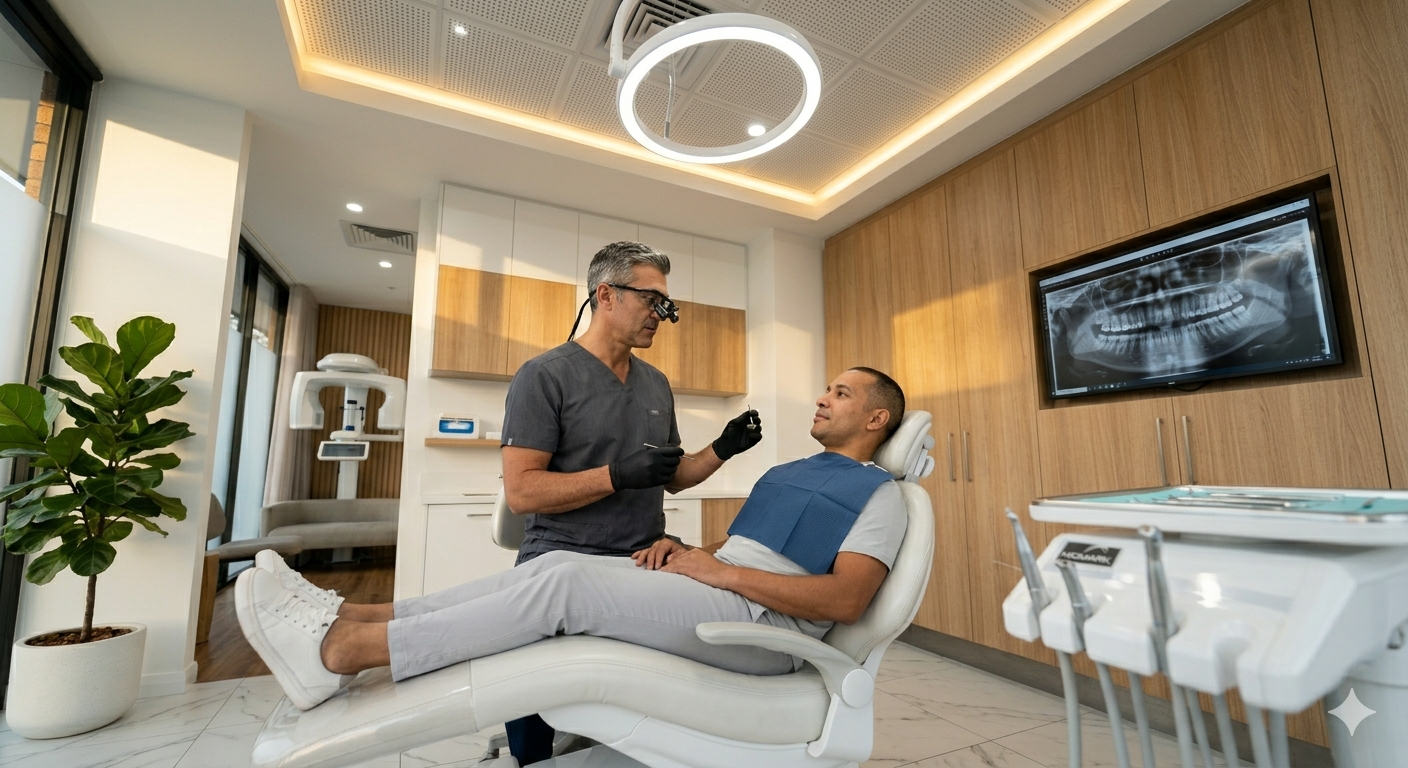
A smile makeover combines cosmetic and restorative treatments tailored to a patient’s teeth, gums, bite, and facial appearance. It addresses specific goals like whiter teeth, straighter alignment, or replacing missing teeth while also improving function and comfort.
What a Smile Makeover Can Achieve
A smile makeover can whiten stained teeth using in-office bleaching or take-home trays that lift discoloration in weeks. It can correct shape and size with porcelain veneers or composite bonding, restoring symmetry and covering chips or gaps. For alignment issues, clear aligners or traditional braces shift teeth into more functional positions, often improving bite and reducing wear. Missing teeth receive long-term solutions such as dental implants with crowns or fixed bridges that restore chewing efficiency and prevent neighboring tooth drift. Gum contouring reshapes uneven gum lines for a balanced smile, and crown lengthening can expose more tooth when teeth appear too short. Many plans combine treatments to meet both cosmetic and functional needs.
Who Is a Good Candidate
Ideal candidates have realistic goals and good oral health: manageable gum disease, adequate bone for implants, and no untreated decay. Patients with severe periodontal disease must complete periodontal care before implants, veneers, or bridges. Those with bruxism benefit from bite evaluation and night guards to protect restorations. Age alone is not a barrier; adults of all ages qualify if medical conditions are controlled and healing is predictable. Smokers should be counseled on quitting or reducing tobacco to improve implant success and healing. A thorough exam including X-rays, digital scans, and a discussion of expectations helps the dentist craft a personalized, stage-by-stage plan.
Personalized Consultation Process
This consultation explains how the dentist evaluates smile goals, oral health, and esthetic possibilities using modern imaging and clear treatment mapping. It prepares patients for practical decisions about cost, timing, and comfort during their smile makeover.
Initial Assessment and Digital Imaging
The dentist begins with a focused oral examination: teeth, gums, bite alignment, and existing restorations. They document issues such as staining, chips, gaps, or unevenness and note any periodontal concerns that must be treated first.
Digital intraoral scans capture precise 3D models of the teeth in minutes without messy impressions. High-resolution photographs record smile lines, lip support, and tooth proportions to guide esthetic choices.
The practice often uses digital X-rays and CBCT when bone structure or implant planning is needed. These images reveal hidden decay, root positions, and jawbone volume, ensuring restorations will fit and function safely.
Patients receive a printed or emailed file showing images and scans with labeled concerns. Clear visuals help patients see why certain procedures—veneers, whitening, orthodontics, or implants—are recommended.
Treatment Planning With Your Dentist
The dentist reviews options tailored to the assessment, prioritizing health first and esthetics second. They explain each procedure—what it does, how long it takes, and recovery expectations—using simple comparisons and timelines.
Cost estimates and financing choices appear in writing, with separate line items for preparatory care like gum therapy or fillings. The plan lists appointments, estimated chair time, and any temporary restorations a patient will wear.
Mock-ups or digital smile previews let patients preview outcomes before committing. The dentist adjusts proportions, shade, and tooth shape based on patient feedback until both agree on a final plan.
A written consent and step-by-step schedule finalize the plan, plus pre-op instructions and post-op care tips. The office invites questions and schedules follow-ups to monitor healing and satisfaction, emphasizing patient comfort throughout the process.
Cosmetic Dentistry Treatments Available
These treatments address staining, chipped or misshapen teeth, and small gaps to create a balanced, natural-looking smile. Options range from quick in-office procedures to longer-lasting restorations that require multiple visits.
Teeth Whitening Options
Professional whitening in Fleming Island begins with a dental exam to check for cavities and gum health, because active decay or sensitivity can affect results. In-office whitening uses concentrated hydrogen peroxide gels and a protective protocol to lighten teeth by several shades in about 60–90 minutes, producing fast, predictable results.
Take-home custom trays provide a gradual alternative using lower-concentration peroxide gels. The dentist takes impressions, fabricates trays, and prescribes daily or nightly wear for one to two weeks. This method reduces sensitivity risk and lets patients control the final shade.
Over-the-counter products like strips or whitening toothpaste can help maintain color but rarely match professional outcomes. Patients with intrinsic discoloration—from tetracycline or old restorations—may require veneers or bonding instead of whitening.
Porcelain Veneers and Lumineers
Porcelain veneers are thin ceramic shells bonded to the front of teeth to correct color, shape, and minor alignment issues. The typical process involves tooth preparation (usually 0.3–0.7 mm reduction), impressions, and placement of temporary veneers while a dental lab makes the final restorations over 1–3 weeks.
Lumineers are a brand of ultra-thin veneers that often require less or no tooth reduction. They suit patients wanting a reversible-looking option, though they may appear bulkier on teeth with limited space. Both materials resist staining and can last 10–15 years with proper care.
Candidates must have healthy gums and enough enamel for bonding. The dentist will discuss bite considerations, shade matching, and how veneers interact with existing crowns or bridgework. Financing and phased treatment plans are common to help manage cost.
Dental Bonding Techniques
Dental bonding uses tooth-colored composite resin to repair chips, close small gaps, and reshape teeth in a single visit. The dentist roughens the enamel, applies an adhesive, sculpts resin to the desired form, and cures it with a light; total chair time often runs 30–60 minutes per tooth.
Bonding is conservative and cost-effective but is more prone to staining and wear than porcelain. It suits patients seeking fast improvement or those not ready for veneers. Touch-ups every few years can refresh appearance at lower cost than replacement.
Successful bonding depends on shade selection and the dentist’s artistic skill. The clinician will explain at-home care—avoiding staining foods and using non-abrasive toothpaste—and review whether bonding or a ceramic restoration better meets longevity and aesthetic goals.
Restorative Procedures for Function and Aesthetics
Restorative care repairs damage, restores chewing ability, and blends with natural teeth so smiles look and feel healthy. Treatments range from conservative tooth-colored fillings to full tooth replacement, each chosen for longevity, strength, and appearance.
Tooth-Colored Fillings
Tooth-colored (composite) fillings repair small to moderate cavities and chip-related defects while matching the patient’s tooth shade. The dentist removes decayed or weakened enamel, isolates the tooth, then places and sculpts composite resin in layers, curing each layer with a blue light. This technique preserves more natural tooth structure than traditional amalgam and bonds directly to enamel and dentin for added support.
Composites work well for front and back teeth but may wear faster than crowns in very large restorations. Typical lifespan ranges from 5–10 years depending on bite forces and oral hygiene. Patients benefit from immediate esthetic improvement, minimal postoperative sensitivity when done correctly, and easy maintenance by brushing, flossing, and routine dental checkups.
Dental Crowns
Dental crowns cover and protect teeth that are cracked, heavily filled, or root-canal treated, restoring shape, strength, and appearance. The tooth is shaped to create room for the crown, an impression or digital scan is taken, and a temporary crown protects the tooth while the lab fabricates a final crown in porcelain, zirconia, or porcelain-fused-to-metal.
Crowns last 10–15 years or longer with good care and low-risk habits. Porcelain and zirconia offer lifelike translucency and color-matching for front teeth; high-strength zirconia suits back teeth and patients with heavy chewing or bruxism. Proper bite adjustment and gum-friendly margins reduce sensitivity and help the crown blend naturally with adjacent teeth.
Bridges and Implants
Bridges and dental implants replace one or more missing teeth to restore chewing, prevent shifting, and maintain facial support. Traditional bridges anchor to adjacent teeth, requiring preparation of those teeth, while implant-supported crowns use titanium implants placed into bone for independent support without altering neighboring teeth.
Implants provide the most conservative long-term option for single-tooth replacement because they preserve bone and typically last decades with routine care. Bridges can be completed faster and may suit patients who cannot undergo implant surgery. Key considerations include bone volume for implants, medical history, timing (immediate vs. staged treatment), and the patient’s aesthetic goals; the dentist will review imaging and options to recommend the most predictable plan.
Orthodontic Alternatives for Alignment
Patients can choose between nearly invisible removable options and more traditional fixed systems. Each approach balances aesthetics, treatment time, and maintenance needs differently, so selecting the right method depends on the specific alignment goals and lifestyle.
Clear Aligners
Clear aligners use a series of custom, removable trays to shift teeth incrementally. The trays are typically made from BPA-free clear plastic and are replaced every 1–2 weeks, which allows for predictable progress with fewer in-office adjustments.
They suit mild to moderate crowding, spacing, and some bite issues. Treatment length commonly ranges from 6 to 18 months, depending on case complexity. Patients wear aligners about 20–22 hours per day for effective results.
Comfort and aesthetics rank high with clear aligners. They reduce soft-tissue irritation compared with wires and brackets, and patients can remove them for eating and brushing, which helps maintain oral hygiene. Periodic dentist or orthodontist check-ins monitor progress and make refinements as needed.
Traditional Braces Choices
Traditional braces remain the most versatile option for complex tooth movements and significant bite corrections. Bracket-and-wire systems apply continuous force and can address rotations, vertical movements, and severe malocclusions that sometimes exceed the capability of removable systems.
Patients choose between metal brackets, ceramic (tooth-colored) brackets, and lingual braces placed behind the teeth. Metal braces are the most durable and cost-effective; ceramic braces offer better aesthetics but may require more careful maintenance; lingual braces are discreet but can be more challenging to clean and adjust.
Treatment duration commonly spans 18–36 months for more complex cases. Regular in-office adjustments control the force and sequencing of movement. Good oral hygiene and adherence to dietary guidance reduce bracket failures and help maintain enamel health during treatment.
Addressing Gum Health and Appearance
Gum shape, tissue levels, and periodontal stability influence how a smile looks and how long restorations last. Targeted procedures can reshape excess tissue, correct a gummy smile, and treat infection to protect teeth and implants.
Gum Contouring and Reshaping
Gum contouring removes or sculpts excess gum tissue to reveal more tooth surface and create balanced gum lines. Dentists in Fleming Island often use a diode laser for precision, reduced bleeding, and faster healing compared with a scalpel. The procedure typically lasts 30–60 minutes, uses local anesthesia, and patients return to normal activities within a day or two.
Ideal candidates include those with a “gummy” smile, uneven gingival margins, or teeth that appear short despite adequate tooth structure. The clinician maps planned margins, then trims and smooths tissue to align with neighboring teeth.
Post-op care focuses on gentle brushing, salt rinses, and short-term analgesics. Results are immediate but final contour may settle over 4–6 weeks. If crowns or veneers are planned, contouring is often coordinated so final restorations match the new gum architecture.
Treatment for Gum Disease
Periodontal treatment removes bacterial plaque and infection to halt tissue destruction and preserve supporting bone. Early-stage gingivitis responds to thorough scaling and polishing plus improved daily hygiene. For moderate to advanced periodontitis, clinicians use scaling and root planing (deep cleaning) to remove calculus below the gumline, often under local anesthesia.
When pockets persist, adjuncts like local antibiotic placement, laser-assisted periodontal therapy, or flap surgery may be necessary to reduce pocket depth and reattach tissue. Regular maintenance visits—typically every 3 months—help prevent recurrence and protect crowns, implants, and bridges.
Fleming Island providers also screen for systemic factors like diabetes or smoking that worsen gum disease and coordinate care or counseling to improve outcomes.
Benefits of Modern Smile Enhancements
Modern smile enhancements offer predictable, natural-looking results that restore both function and appearance. Patients notice improved chewing and clearer speech after treatments like implants, crowns, and aligners.
Many procedures now prioritize comfort and speed. Minimally invasive options, digital planning, and sedation choices reduce chair time and anxiety for those who feel nervous about dental visits.
Durability and long-term value matter to patients. High-quality materials and precise placement mean restorations can last many years with proper care, lowering the need for repeat treatments.
Cosmetic improvements often boost confidence in everyday situations. A brighter, more even smile can make social interactions and professional moments feel easier.
Preventive benefits accompany aesthetic work. Correcting bite issues or replacing missing teeth helps protect surrounding teeth and gums from excessive wear and disease progression.
Costs vary, but financing and phased treatment plans make care accessible. Many practices provide clear estimates and options so patients can choose what fits their needs and budget.
What to expect: initial consultation, digital imaging, a tailored plan, and follow-up to ensure comfort and success. Patients are encouraged to ask about recovery, maintenance, and alternatives during their visit.
Maintaining Your New Smile Over Time
A consistent daily routine and scheduled professional care keep restorations and natural teeth healthy. Small habits and timely checkups prevent staining, wear, and complications.
Tips for Daily Care
Brush twice daily for two minutes with a soft-bristled brush and a fluoride toothpaste to protect enamel and restorations. Use gentle circular strokes along the gumline; avoid aggressive scrubbing that can wear ceramic margins or expose dentin.
Floss once a day using floss, interdental brushes, or a water flosser to remove plaque between teeth and around crowns or implants. Pay special attention to the contact points of veneers and crowns where food tends to accumulate.
Limit staining foods and drinks—coffee, tea, red wine, and dark berries—and rinse with water after consuming them. If whitening was part of the makeover, use touch-up trays or at-home strips only as directed by the dentist to maintain shade without damaging restorations.
Avoid hard foods and habits like ice-chewing, nail-biting, and opening packages with teeth. If grinding or clenching is present, wear a custom nightguard to protect veneers, crowns, and natural enamel.
Recommended Follow-Up Visits
Schedule professional cleanings every three to six months based on gum health and restorative work. Hygienists remove tartar that brushing misses and check margins of veneers, crowns, and implant abutments for early signs of trouble.
See the dentist for an exam and bite evaluation at least twice a year or sooner if pain, looseness, or sensitivity occurs. The dentist will assess restoration fit, occlusion, and perform X-rays as needed to monitor bone levels around implants or root health under crowns.
If whitening was included, book a maintenance visit every 6–12 months for shade check and touch-up guidance. For patients with bruxism, plan a follow-up within 4–8 weeks after delivery of a nightguard to confirm fit and adjust if wear patterns develop.
Choosing the Right Dental Expert in Fleming Island
Patients should look for a dentist who specializes in cosmetic and restorative procedures relevant to their smile goals. A dentist with advanced training in veneers, implants, and teeth whitening can provide coordinated care and predictable results.
Check credentials and experience, including board certifications, continuing education, and before-and-after galleries. Reading patient reviews offers insight into bedside manner, office comfort, and how complications were handled.
Consider the practice environment: modern imaging (CBCT, intraoral scanners) and a comfortable operatory help reduce anxiety and improve outcomes. A practice that emphasizes sedation options and pain management signals attention to patient comfort.
Ask about treatment planning and communication. Good experts use mock-ups, digital previews, or trial restorations so patients can visualize results before committing. Transparent fee estimates and financing options matter for planning.
Evaluate teamwork and referrals. Dentists who collaborate with periodontists, oral surgeons, and dental labs tend to deliver comprehensive care when cases require multiple specialties. Coordination reduces surprises and shortens overall treatment time.
Use this quick checklist when choosing:
- Training: Cosmetic/restorative certifications and continuing education
- Technology: Digital imaging, intraoral scans, and CBCT available
- Patient experience: Reviews, photos, and sedation/pain options
- Communication: Clear treatment previews, timelines, and costs
- Referrals/teamwork: Access to specialists and high-quality labs
They should schedule a consultation to discuss goals, review options, and get a personalized plan that balances appearance, function, and long-term oral health.
Frequently Asked Questions
This section covers specific procedures, costs, candidacy, timelines, comfort measures, and everyday upkeep for smile makeovers in Fleming Island, FL. Each answer gives practical details patients can use when planning treatment or booking a consultation.
What treatments are usually included in a smile makeover, and how do I know which ones I need?
A smile makeover commonly combines teeth whitening, porcelain veneers, dental crowns, clear aligners (like Invisalign), and sometimes gum recontouring or dental implants.
The dentist assesses bite alignment, tooth color, shape, wear, and gum health, then recommends a tailored plan after photos, X-rays, and a smile-design preview.
How much does a full smile makeover typically cost, and what affects the final price?
Costs in Fleming Island typically range from several thousand dollars for limited work (whitening + a few veneers) to $20,000+ for full-mouth restorations with implants.
Final price depends on materials (porcelain vs. composite), number of teeth treated, need for surgical work (implants, gum procedures), lab fees, and whether orthodontics are required.
Am I a good candidate for veneers, and what might disqualify me from getting them?
Good candidates have healthy gums, adequate enamel, and minor to moderate cosmetic concerns like discoloration, chips, or gaps.
Active gum disease, severe tooth decay, very thin enamel, or heavy teeth grinding (bruxism) can disqualify or require treatment before veneers are placed.
How long does a smile makeover take from the first visit to the final result?
Simple cases (whitening and one or two veneers) can finish in 2–4 weeks.
Comprehensive cases involving orthodontics, multiple crowns, or implants may take several months to over a year depending on healing and staged procedures.
Will a smile makeover hurt, and what comfort options are available during treatment?
Most cosmetic steps cause minimal discomfort and use local anesthesia when needed.
Dentists also offer sedation options—nitrous oxide, oral sedatives, or IV sedation—for anxious patients, plus post-procedure pain control with over-the-counter or prescription medication.
How do I keep my new smile looking great long-term with simple daily care and regular checkups?
Maintain twice-daily brushing with a soft-bristled brush, daily flossing, and avoid staining habits like frequent coffee or tobacco use.
Schedule dental checkups every 3–6 months for professional cleanings and inspections; the dentist will also advise on nightguards if grinding threatens restorations.
If questions remain or the patient wants a personalized plan, they should contact the Fleming Island dental office to schedule a consultation and smile-design review.