

When dental pain strikes suddenly, finding an emergency dentist in Fleming Island can make all the difference. An emergency dental clinic nearby offers timely care to relieve pain, prevent further damage, and get patients back to feeling like themselves.
Whether it’s a broken tooth, severe toothache, or an injury from an accident, having access to a trusted local dentist ready to help makes unexpected dental problems less stressful. These dentists focus on comfort and swift treatment, using modern techniques to address urgent dental needs effectively.
Knowing where to go and what to expect can ease worries and speed up recovery. This article will guide readers through how to find emergency dental care in Fleming Island, what services to expect, and tips for handling dental emergencies calmly.
What Is an Emergency Dentist in Fleming Island?
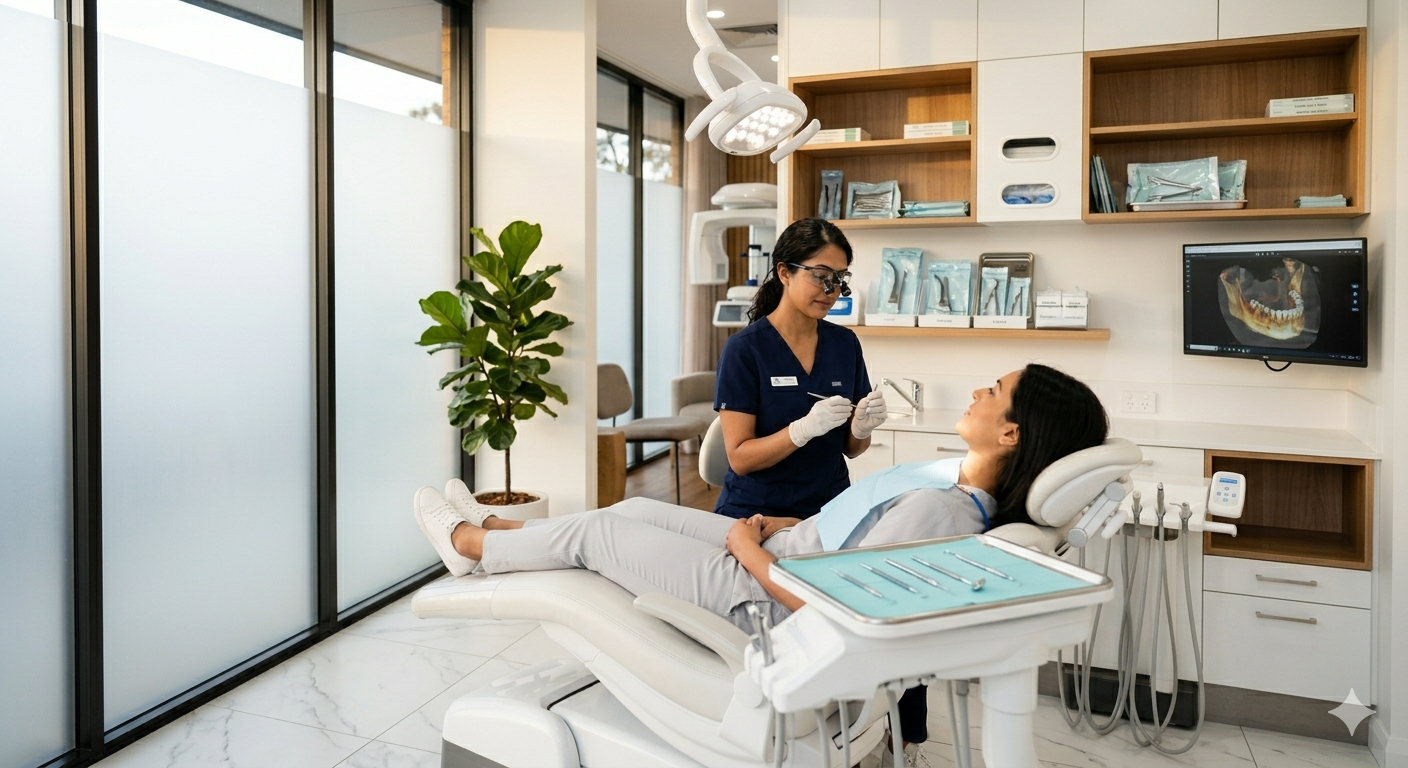
An emergency dentist in Fleming Island is a dental professional trained to handle urgent oral health issues that cannot wait for a routine appointment. They focus on diagnosing and treating sudden pain, injuries, or infections quickly to prevent further damage.
These dentists provide specialized care for various emergencies, from severe toothaches to knocked-out teeth. Their services often include immediate pain relief and restoring dental function while prioritizing patient comfort and safety.
Definition of Emergency Dental Care
Emergency dental care refers to the immediate treatment of dental problems that require quick attention to save a tooth, relieve pain, or stop infection. It includes any situation where delaying care could worsen the condition or pose a risk to overall health.
This care is not just about urgent fixes but also about evaluating the cause and preventing future issues. Clinics offering emergency services often accommodate walk-ins or after-hours calls, making help accessible when dental problems arise outside normal office hours.
Types of Dental Emergencies Treated
Emergency dentists in Fleming Island regularly treat conditions such as:
- Severe toothaches that cause persistent, sharp pain
- Broken, cracked, or chipped teeth from injuries
- Knocked-out teeth requiring immediate reimplantation
- Abscesses or infections causing swelling and fever
- Lost fillings or crowns causing discomfort or exposure
- Soft tissue injuries inside the mouth
These emergencies, if left untreated, can lead to infections, permanent tooth damage, or severe discomfort, so prompt care is essential.
How Emergency Dentists Differ from General Dentists
Emergency dentists focus primarily on urgent dental issues requiring prompt relief and stabilization. While a general dentist handles routine check-ups, cleanings, and preventive care, an emergency dentist is equipped to:
- Diagnose acute problems quickly
- Perform immediate pain management
- Provide temporary or definitive repairs
- Coordinate follow-up care for long-term recovery
They often work extended hours and have equipment on hand for complex procedures needed outside regular appointments. This makes them the go-to professionals during dental crises.
When to Seek Emergency Dental Care
Recognizing when dental pain or injury needs immediate care can prevent complications and relieve discomfort quickly. Certain signs and types of dental problems require swift action, while others may be monitored or treated during regular office hours.
Signs You Need Urgent Dental Attention
Severe tooth pain that does not improve with over-the-counter painkillers is a clear signal for emergency care. Persistent bleeding that won’t stop after applying gentle pressure is another critical warning sign. Swelling around the face or jaw, especially if it affects breathing or swallowing, also demands prompt evaluation.
If a tooth is knocked out or completely loose, seeking help within an hour improves the chance of saving it. Fever combined with tooth pain can indicate an infection that needs urgent treatment to prevent spreading. Sudden changes in bite or jaw alignment may suggest a fracture that cannot wait.
Common Dental Emergencies
Common emergencies include cracked or fractured teeth often caused by biting hard objects or trauma. These can expose inner nerves leading to pain and sensitivity. A lost filling or crown can cause discomfort and leave teeth vulnerable to further damage.
Dental abscesses are infections creating painful pockets of pus requiring antibiotics and drainage. Soft tissue injuries inside the mouth, such as cuts to the tongue or gums, also qualify as emergencies if bleeding is persistent or severe. Trauma from accidents or sports can cause multiple issues needing immediate care.
Situations That Can Wait
Minor toothaches without swelling generally do not require an emergency visit but should be checked promptly. Slight sensitivity after dental procedures or mild irritation from braces usually improves within a few days.
Small chips or cracks without pain can be evaluated during a routine appointment. Lost orthodontic brackets or wires causing discomfort should be seen soon, but not immediately unless they cause injury.
Routine dental issues like cavities or gum tenderness can wait for a scheduled visit unless symptoms worsen rapidly.
Steps to Take During a Dental Emergency
Handling a dental emergency correctly can protect your teeth and minimize pain. Knowing what actions to take immediately, what to expect from your emergency dentist, and how to manage discomfort are key to a smoother experience.
Immediate Actions to Protect Your Teeth
As soon as a dental injury occurs, quick steps can save your tooth or prevent further damage. If a tooth is knocked out, hold it by the crown (the part you chew with), not the root. Rinse it gently with warm water—avoid scrubbing—and try to place it back in the socket if possible.
If reinsertion isn’t an option, keep the tooth moist by placing it in milk or a tooth preservation kit. For broken teeth, save any fragments and avoid using the damaged area to chew. Applying a cold compress to the face helps reduce swelling. For bleeding, use clean gauze and apply steady pressure.
Taking these actions can make a significant difference before professional care is available.
What to Expect When You Call the Dentist
Calling an emergency dentist in Fleming Island will usually connect you with a staff member who asks about your symptoms and injury details. This helps them prioritize your call and prepare for your arrival. Most clinics offer same-day appointments for emergencies and provide clear instructions on how to manage pain or bleeding while waiting.
Upon arrival, the dentist will quickly assess the injury, possibly taking X-rays to identify hidden damage. Treatment varies, such as repositioning a dislodged tooth, repairing fractures with bonding, or prescribing antibiotics for infections. The dentist will explain your options, costs, and schedule any necessary follow-ups.
This prompt and organized approach helps prevent complications and starts the healing process efficiently.
Tips for Reducing Pain and Swelling
Pain and swelling from dental injuries can be managed at home with simple steps. Over-the-counter pain relievers like ibuprofen are effective for reducing inflammation and discomfort. Avoid aspirin since it can increase bleeding.
Applying a cold pack wrapped in a cloth to the swollen area for 15-minute intervals helps numb the pain and limits swelling. Keep your head elevated to minimize blood flow to the injury. Avoid hot or very cold foods and drinks, as they can aggravate sensitivity.
Eating soft foods and avoiding chewing on the injured side protect your teeth during recovery. Following these tips supports comfort before professional treatment is available.
Emergency Dental Treatments Available in Fleming Island
Finding prompt care for urgent dental issues can make a big difference in comfort and outcome. Treatments in Fleming Island focus on relieving pain, saving damaged teeth, and restoring broken dental work quickly and effectively.
Toothache Relief and Root Canal Therapy
Toothaches can signal infection or nerve damage that needs immediate attention. Dentists in Fleming Island provide thorough exams to identify the cause and reduce pain swiftly.
If the tooth’s nerve is infected, root canal therapy is often recommended. This procedure removes infected tissue inside the tooth, cleans the area, and seals it to prevent further issues. It saves the tooth and avoids extraction in many cases.
Pain relief options include medication and local anesthesia during treatment to keep patients comfortable. Dentists also offer advice on home care while waiting for the appointment.
Fixing Broken or Knocked-Out Teeth
Accidents happen, and broken or knocked-out teeth demand quick action to improve the chance of saving them. Dentists in Fleming Island handle these emergencies with expertise and care.
For a chipped or fractured tooth, bonding or crowns can restore shape and function. If a tooth is knocked out, immediate professional care may allow reimplantation. Patients are advised to keep the tooth moist and avoid touching the root.
Emergency dentists assess the damage thoroughly, provide stabilization, and may use splints or other techniques to support healing. They guide patients on pain management and follow-up care.
Emergency Repair for Lost Fillings or Crowns
Losing a filling or crown can expose the tooth to sensitivity and further damage. Fleming Island emergency dentists offer fast repairs to protect the tooth surface.
Temporary restorations may be placed first to reduce discomfort. Then, a new filling or crown is crafted to restore the tooth’s strength and appearance. The process involves cleaning the site, removing decay if needed, and securing the restoration firmly.
Patients receive instructions on avoiding hard foods and maintaining oral hygiene to support the repair. Prompt treatment prevents complications like infection or tooth decay under the lost restoration.
Modern Technology and Patient Comfort
Emergency dental care in Fleming Island focuses on easing discomfort quickly while using advanced tools to identify and treat problems accurately. This approach helps patients feel safe and supported during what can be a stressful experience.
Pain Management Options
Pain relief is a top priority. Dentists use a variety of methods tailored to the patient’s needs, including local anesthesia to numb the affected area quickly and effectively. For those with dental anxiety or severe pain, sedation options like nitrous oxide or oral sedatives may be offered to keep patients calm.
Over-the-counter pain medications are often recommended both before and after treatment to manage any residual discomfort. Some clinics also incorporate gentle techniques such as warm compresses or soothing rinses. These options ensure patients experience minimal pain and stress during emergency visits.
State-of-the-Art Diagnostic Tools
Modern emergency dentists rely on precise diagnostic technology to identify dental issues clearly and speed up treatment. Digital X-rays, for example, produce sharp images instantly, reducing exposure to radiation compared to traditional methods.
In addition, 3D imaging and intraoral cameras allow dentists to see hard-to-reach areas in great detail. These tools help spot fractures, infections, or decay without invasive probing, making diagnosis faster and more comfortable. Early and accurate detection means emergency treatments can be targeted exactly where they’re needed.
Choosing the Right Emergency Dentist in Fleming Island
Finding an emergency dentist who meets your needs quickly can make a big difference in stressful situations. It’s essential to focus on practical qualities like office hours, patient comfort, and clear communication. Knowing what questions to ask beforehand can help you feel confident before your visit.
What to Look for in a Dental Office
The right emergency dental office offers flexible hours, including evenings and weekends. This helps when pain or injury strikes unexpectedly. Look for a clean, welcoming environment where staff show patience and understanding.
Modern equipment and up-to-date treatment options are good signs the office values quality care. Check if they provide pain management techniques and explain procedures clearly. A dentist experienced in common emergencies such as broken teeth, abscesses, or severe toothaches can address problems efficiently.
Location matters too. Choosing a dentist close to home in Fleming Island can reduce stress and travel time during emergencies.
Questions to Ask Before Your Visit
Before booking, ask if the office accepts your insurance or offers affordable payment plans. Inquire about wait times—knowing how quickly you can be seen matters when pain is involved.
Ask if the dentist handles your specific emergency, such as knocked-out teeth or infections. Confirm what pain relief options are available during treatment.
It’s helpful to know if the office provides follow-up care or referrals to specialists if needed. Don’t hesitate to ask about their COVID-19 safety measures or how they handle urgent cases outside normal hours. Being prepared with this information eases anxiety and ensures smooth treatment.
Preventing Dental Emergencies
Taking simple, consistent steps every day can significantly reduce the risk of dental emergencies. Building strong, healthy teeth and staying ahead of potential issues are key parts of keeping your smile safe.
Everyday Habits for Stronger Teeth
Strong teeth begin with basic daily care. Brushing twice a day with fluoride toothpaste helps remove plaque and protect enamel. Flossing once daily clears debris and prevents gum disease, which can lead to tooth loss if untreated. Drinking plenty of water throughout the day rinses away food particles and keeps your mouth hydrated.
Avoid chewing hard items like ice, popcorn kernels, or pens, which can crack teeth. Limiting sugary snacks also reduces the risk of cavities, a common cause of dental pain. Wearing a mouthguard while playing sports shields teeth from impact injuries, a simple step that prevents many emergencies.
Importance of Regular Checkups
Regular dental visits are essential for catching small problems before they escalate. A dentist can spot early signs of decay, infection, or damage that might not cause pain yet. Professional cleanings remove hardened plaque (tartar) that brushing can’t reach.
Most dentists recommend checkups every six months. If someone has a history of dental issues, their dentist might suggest more frequent visits. These appointments give patients a chance to discuss any discomfort or concerns, allowing prompt treatment and avoiding emergencies.
Next Steps: Reach Out for Emergency Dental Care
When dental pain or injury strikes unexpectedly, contacting an emergency dentist in Fleming Island is the smartest move. They understand the urgency and offer prompt care to relieve pain and prevent further complications.
It’s helpful to have important information ready before calling, such as the nature of the emergency, any allergies, and your dental history. This allows the dentist to provide the best advice and prepare for your visit.
Most emergency dentists offer flexible hours and quick appointments. Many accept walk-ins or have after-hours services, so don’t hesitate to reach out even if it’s outside normal office times.
If you’re unsure whether your situation is an emergency, consider these signs: severe pain, swelling, bleeding that won’t stop, or a knocked-out tooth. These all require immediate professional attention.
Tips for reaching out:
| Step | Action |
|---|---|
| 1. Stay calm | Be clear about your symptoms and timing |
| 2. Call promptly | Use emergency contact numbers if needed |
| 3. Follow advice | Listen carefully to the dentist’s guidance |
| 4. Prepare to visit | Gather any necessary documents or items |
Taking quick action helps reduce discomfort and improves treatment outcomes. Knowing where to turn for emergency dental care in Fleming Island ensures peace of mind when unexpected problems arise.
Frequently Asked Questions
Knowing when to seek immediate care and how to manage pain at home can make a big difference during a dental emergency. Costs, timing for treatments, and simple prevention steps afterward are also key to handling these situations effectively.
What counts as a true dental emergency, and when should I be seen right away?
A true emergency includes severe pain, uncontrolled bleeding, knocked-out teeth, or broken teeth causing sharp pain or bleeding. If swelling affects breathing or swallowing, immediate care is critical.
Mild toothaches or lost fillings usually don’t require instant attention but should be seen as soon as possible.
Can the emergency room help with a toothache, or do I still need a dentist?
The emergency room can provide pain relief and treat infections but won’t perform dental repairs. Follow-up with a dentist is necessary for proper treatment and permanently fixing the problem.
What should I do at home if I have a dental emergency and can’t reach a dentist immediately?
Rinse your mouth gently with warm water. Use a cold compress on your face to reduce swelling. For pain, over-the-counter pain relievers are helpful. Avoid chewing on the injured side. Save any broken tooth pieces or knocked-out teeth in milk or saliva.
How much does an emergency dental visit usually cost, and what payment options are available?
Costs vary but typically range from $150 to $600 depending on treatment complexity. Many offices accept insurance, credit cards, and sometimes offer payment plans. It’s best to call ahead to confirm options.
How quickly can a dentist treat a broken tooth, lost filling, or knocked-out tooth?
Most emergency dental clinics see patients within hours, sometimes the same day. A knocked-out tooth should be treated within one hour for the best chance of saving it. Minor issues like lost fillings are usually fixed promptly during regular or emergency hours.
How can I prevent future dental emergencies after I’m out of pain and feeling better?
Wearing a mouthguard during sports, avoiding hard or sticky foods, and maintaining good oral hygiene all help reduce risk. Regular dental check-ups catch potential problems early before they become emergencies.
If questions remain or discomfort persists, consulting a local emergency dentist can provide peace of mind and proper care.