
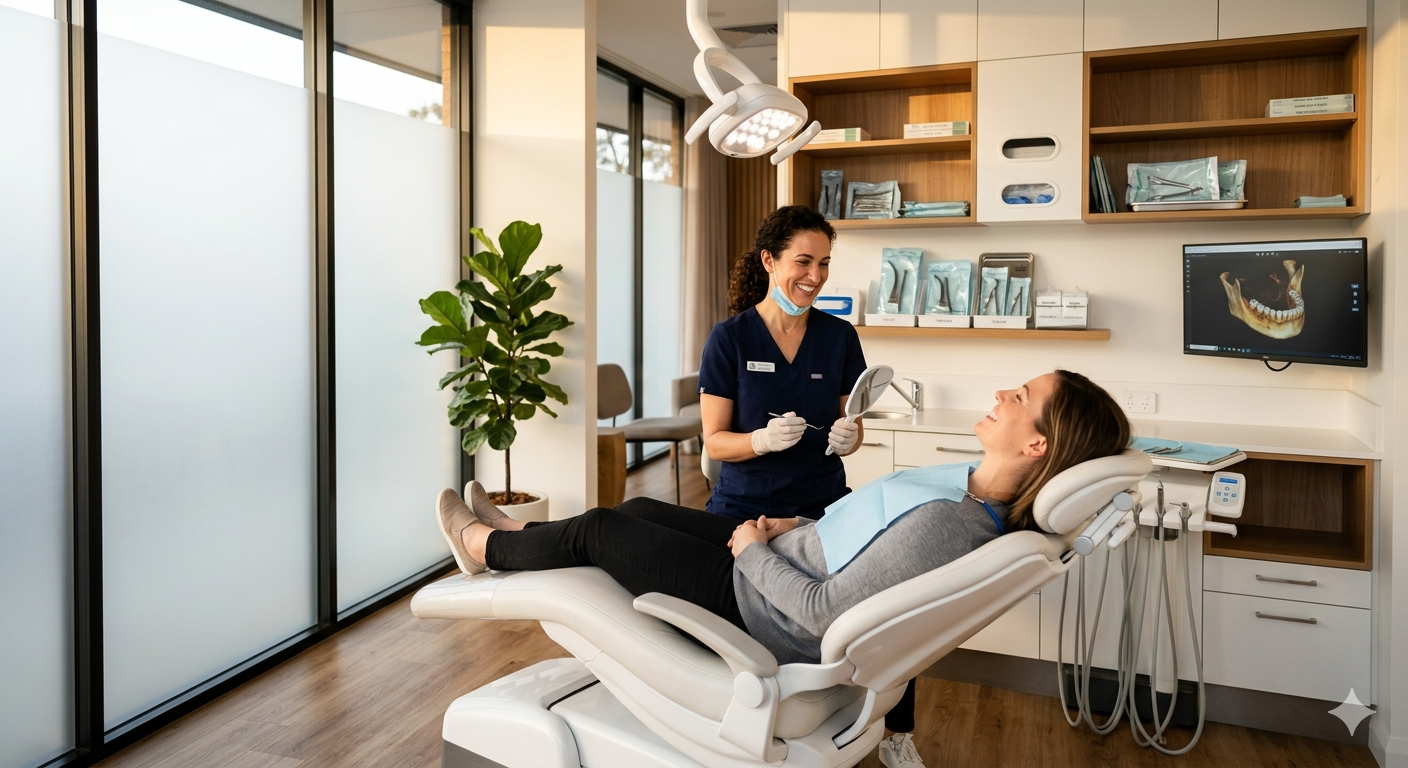
When deciding between veneers and crowns, many in Fleming Island, FL, wonder which option best suits their dental needs. Veneers are thin shells that cover the front surface of teeth to improve appearance, while crowns encase the entire tooth to restore function and strength. Both treatments enhance smiles but serve different purposes depending on the condition of the tooth.
Veneers are ideal for fixing minor chips, discoloration, or gaps and require less removal of the natural tooth. Crowns, on the other hand, are often chosen when teeth are weakened by decay, cracks, or large fillings, offering more protection and durability.
Understanding these differences helps patients make informed choices about their smile care. A local dental expert can guide them toward the option that balances comfort, aesthetics, and long-term health.
Understanding Veneers: What You Need to Know
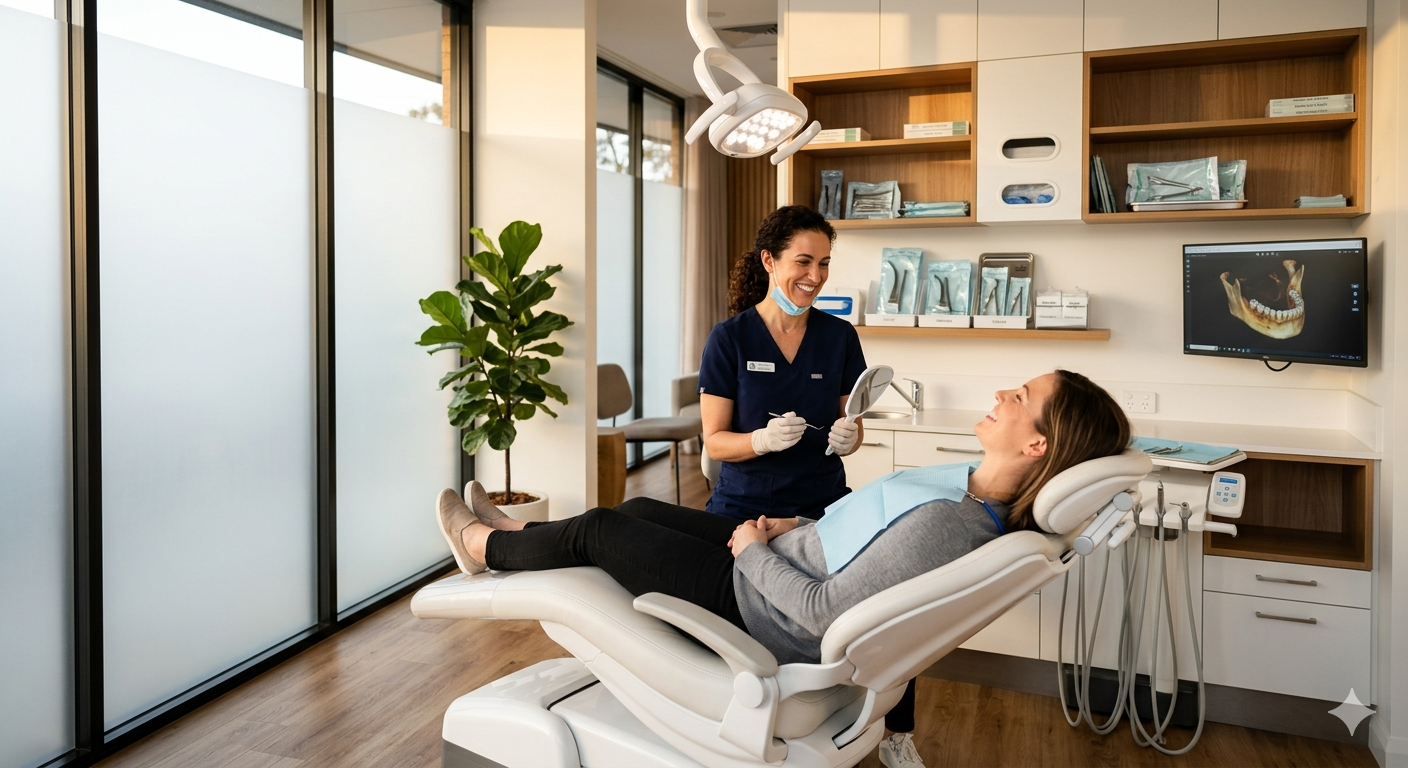
Veneers are thin, custom-made shells designed to cover the front surface of teeth, improving their appearance. They come in several types, each with specific benefits and placement processes. Knowing who makes a good candidate helps ensure the best results and longevity.
Types of Veneers Available
There are two main types of veneers offered in Fleming Island, FL: porcelain veneers and composite veneers. Porcelain veneers are more durable and stain-resistant. They mimic the natural shine and translucency of enamel, lasting 10-15 years or more with proper care.
Composite veneers are made from tooth-colored resin applied directly to teeth. They cost less and require less tooth preparation but usually last 4-8 years. They can be repaired easily if chipped or worn.
Each type has unique advantages depending on aesthetic goals, budget, and dental health. Your dentist will recommend the best option based on your smile and lifestyle.
How Veneers Are Placed
Veneer placement usually involves two to three visits. First, the dentist prepares the tooth by removing a small layer of enamel, about the thickness of the veneer. This ensures a natural, comfortable fit.
Next, the dentist takes impressions of the teeth, which are sent to a lab to create custom veneers. In the meantime, temporary veneers may be placed.
At the final visit, the dentist checks the fit and color, then bonds the veneers using a strong dental adhesive. The surface is polished, and any adjustments are made to ensure comfort.
Proper placement is key to durability and a natural look. Patients receive care instructions to maintain their new veneers.
Ideal Candidates for Veneers
Good candidates for veneers have generally healthy teeth and gums with minor aesthetic concerns. These may include discoloration, small chips, gaps, uneven or slightly crooked teeth.
Veneers are not ideal for patients with significant tooth decay, gum disease, or weakened teeth. They also require a commitment to maintaining oral hygiene and avoiding habits like nail-biting or teeth grinding, which can damage veneers.
Your dentist will perform a thorough exam and discuss your goals before recommending veneers. This helps ensure the treatment fits your dental health and lifestyle for a lasting smile upgrade.
All About Dental Crowns
Dental crowns are strong, custom-made caps designed to cover damaged or weakened teeth. They restore both the function and appearance of your tooth, providing durability and improved aesthetics. Different types of crowns, how they are placed, and who benefits most from them can help you decide if they are right for your dental needs.
Common Types of Dental Crowns
Crowns come in several materials, each suited for different needs. Porcelain crowns are popular for front teeth because they match natural tooth color well. Metal crowns, usually gold or alloys, are very durable and often used on back teeth where strength matters more than appearance.
Porcelain-fused-to-metal (PFM) crowns blend strength with a natural look, although the metal base might show at the gumline over time. Zirconia crowns are newer, offering both toughness and a natural look, making them a solid choice for those wanting durability and aesthetics.
The Crown Placement Process
The process usually takes two visits. First, the dentist prepares the tooth by removing decay or shaping it to fit the crown. Then, they take impressions or digital scans to create a precise crown in a dental lab.
During this visit, a temporary crown protects your tooth. At the second visit, the dentist checks the permanent crown’s fit and appearance before cementing it in place. This ensures comfort and proper bite alignment.
Who Benefits Most from Crowns
Crowns help patients with cracked, worn, or very decayed teeth where simple fillings won’t last. They are great for restoring broken teeth or protecting teeth after a root canal.
People with large fillings that weaken a tooth also benefit from crowns because they add strength. Crowns can improve the look of misshapen or discolored teeth, especially if veneers aren’t a fit. If you struggle with biting or chewing due to tooth damage, crowns may be the best solution to restore function and comfort.
Key Differences Between Veneers and Crowns
Veneers and crowns serve different purposes and involve distinct processes, affecting treatment goals, procedure details, and care needs. Understanding these differences helps patients in Fleming Island, FL, choose the right option for their dental health and appearance.
Treatment Goals and Outcomes
Veneers primarily improve the appearance of front teeth. They address issues like discoloration, minor chips, or slight misalignment without major structural changes. Veneers are thin shells bonded to the front surface, focusing on aesthetics rather than full tooth protection.
Crowns cover the entire tooth and are used when a tooth is weakened, cracked, or has had extensive decay or root canal work. Their main goal is to restore strength and functionality while also enhancing appearance. Crowns provide comprehensive protection and support, often lasting longer under stress.
What Each Procedure Involves
Applying veneers requires removing a small amount of enamel from the tooth’s front surface to ensure a proper fit. This is less invasive and usually requires two visits: one for preparation and impressions, and another for bonding the veneer.
Crowns need more tooth reduction on all sides to fit over the entire tooth. The dentist shapes the tooth, takes impressions, and fits a temporary crown before placing the permanent one. This process typically takes two appointments, like veneers, but involves more preparation.
Longevity and Maintenance
Veneers generally last between 10 to 15 years with proper care. They resist stains well but can chip or crack with trauma or excessive force, like nail-biting or grinding. Regular dental checkups and good oral hygiene are important to maintain them.
Crowns usually last 15 years or more, often outlasting veneers because of their sturdy coverage. They require similar maintenance but can sometimes need replacement if decay develops beneath them or if they become loose. Both options benefit from avoiding habits that put stress on teeth.
Choosing the Right Option for Your Smile
Deciding between veneers and crowns involves several important factors. These include the health of your natural teeth, the extent of damage or discoloration, and how you want your smile to look and feel. Both options offer durable and attractive solutions but suit different dental needs.
Factors Your Dentist Considers
A dentist will first evaluate how much tooth structure remains and its overall strength. Crowns are preferred when a tooth is fractured, weakened, or has had root canal treatment because they cover the entire tooth for protection. Veneers, on the other hand, require less removal of natural tooth material and are best for improving surface appearance like discoloration or minor chips.
The location of the tooth also matters; molars often need crowns for durability, while front teeth can benefit from veneers due to their aesthetic focus. The dentist will check your bite and gum health too, ensuring the restoration won’t cause future issues.
Personal Preferences and Aesthetics
Some patients choose veneers because they produce a very natural look with minimal alteration to the tooth. Veneers can be customized for color, shape, and size to match neighboring teeth with subtlety. Crowns can also be natural-looking, but the process is more invasive and involves reshaping the entire tooth.
Comfort-wise, veneers often feel thinner and more like natural enamel, while crowns create a stronger, bulkier tooth surface. Patients should consider how much tooth prep they are comfortable with and whether a quicker whitening or repair is their goal. Open discussions about lifestyle, budget, and desired outcome help guide the right option.
Oral Health Considerations for Lasting Results
Maintaining strong oral health is essential when choosing veneers or crowns. Proper care supports the durability of these restorations and helps prevent complications.
How to Care for Veneers and Crowns
Both veneers and crowns require gentle brushing twice a day with a non-abrasive toothpaste to avoid surface damage. Flossing daily is key, particularly around the edges where plaque can build up and cause decay under the restoration.
Avoid biting hard items like ice or pens, as this can chip veneers or crack crowns. Regular dental cleanings and check-ups every six months allow early detection of issues. Using a nightguard may be advised for patients who grind their teeth, protecting restorations from unnecessary wear.
Potential Risks and How to Avoid Them
Veneers and crowns can sometimes lead to sensitivity or gum irritation if not properly fitted. Poor oral hygiene increases the risk of decay around the edges, potentially causing restoration failure.
To reduce these risks, follow your dentist’s instructions closely and avoid sugary or acidic foods that can weaken the bonds. Address any discomfort or looseness immediately to prevent further damage. Staying proactive with dental visits ensures early intervention and helps keep restorations intact for years.
Cost and Insurance Considerations in Fleming Island, FL
Understanding the financial aspect of choosing veneers or crowns is key for patients in Fleming Island. Costs vary by procedure and dental practice, while insurance coverage can differ widely depending on the provider and plan.
Typical Price Ranges Locally
In Fleming Island, veneers typically cost between $925 and $2,500 per tooth. The price depends on material choice and the number of teeth treated. Porcelain veneers tend to be on the higher end due to their durability and natural look.
Crowns generally range from $800 to $1,700 per tooth, with materials like porcelain-fused-to-metal or all-ceramic influencing cost. Patients should factor in additional fees for consultations, X-rays, or preparatory work.
Many dentists offer payment plans or financing options to help spread out these expenses comfortably. It’s helpful to ask upfront about all associated costs to avoid surprises.
Insurance Coverage and Payment Options
Most dental insurance plans in Fleming Island cover crowns more often than veneers since crowns are considered restorative treatment. Coverage might range from 50% to 80% after deductibles, depending on the policy.
Veneers are usually seen as cosmetic, so they rarely receive insurance benefits. Patients often pay out-of-pocket for veneers, but some dental offices may provide in-house financing.
Dental discount plans and CareCredit can also make treatments more affordable. Patients should review their insurance benefits carefully and consult with their dental office’s billing staff to explore all payment routes.
What to Expect at Your Consultation
When patients arrive for their consultation in Fleming Island, the dentist begins by discussing their dental history and the specific concerns they have about their smile. This helps tailor the treatment options—whether veneers or crowns—to the patient’s unique needs.
Next, a thorough examination takes place. The dentist will look closely at the teeth, gums, and bite using visual checks and sometimes digital imaging. This step ensures that the current oral health condition supports the chosen procedure.
During the discussion, the dentist will explain the differences between veneers and crowns, including the benefits and limitations of each. Patients can expect clear answers on how each option affects tooth structure, durability, and appearance.
Here’s a quick look at what the consultation covers:
| Topic | Description |
|---|---|
| Dental Exam | Visual and X-rays assessing health |
| Treatment Options | Veneers vs crowns explained |
| Procedure Details | Steps and timeline |
| Costs and Insurance | Estimates and coverage questions |
| Patient Concerns | Addressing fears and preferences |
The goal is to make sure patients feel comfortable and informed before deciding. The dentist encourages questions, so patients should bring any concerns or doubts they have.
This visit sets the foundation for a confident treatment plan that aligns with the patient’s lifestyle and smile goals.
Modern Advancements in Restorative Dentistry
Restorative dentistry has seen significant improvements in recent years, making treatments like veneers and crowns more comfortable and effective. New materials and technology help dentists create restorations that look natural and last longer.
For example, digital impressions replace traditional molds, offering a faster, less messy experience. This technology captures precise images of the teeth, helping labs craft perfectly fitted veneers and crowns.
Materials have also evolved. Porcelain and zirconia are popular choices now because they are strong and mimic natural tooth color and texture. These materials reduce the risk of chipping or staining, giving patients confidence in their smile.
Advanced bonding techniques improve durability. Modern adhesives create a tighter, more stable seal between the restoration and tooth, which helps prevent sensitivity and decay around the edges.
Here’s a quick comparison of some changes:
| Feature | Traditional Approach | Modern Advancement |
|---|---|---|
| Impressions | Physical molds | Digital scanning |
| Materials | Metal-based crowns | Porcelain, zirconia |
| Bonding | Basic cements | Advanced adhesive systems |
| Treatment time | Multiple long visits | Faster, often single visit |
These advancements emphasize patient comfort and long-term success. If you’re considering veneers or crowns in Fleming Island, FL, discussing these innovations with your dentist helps you make an informed choice.
Taking the Next Step Toward Your Healthiest Smile
Choosing between veneers and crowns is an important step that can impact both the look and health of your smile. A trusted dental professional in Fleming Island, FL can guide patients through these options with care and expertise. They will consider the condition of your teeth, your smile goals, and your overall oral health.
Many patients appreciate how modern dentistry combines both aesthetics and function. Veneers are great for improving appearance with minimal tooth alteration. Crowns, on the other hand, offer strong protection for weakened or damaged teeth. Both treatments can restore confidence and comfort.
Before any procedure, your dentist will perform a thorough exam and may take X-rays. This helps create a personalized plan that fits your needs and lifestyle. They’ll also discuss the process step-by-step and address any concerns you might have.
Here’s what patients can expect moving forward:
- A detailed consultation that explains each option
- Comfortable and pain-managed treatments
- Follow-up care tips to keep your smile healthy
If you’re wondering what might be the best fit for your smile, don’t hesitate to ask your dentist. They’re there to support every step toward a brighter, healthier you. Scheduling a consultation can be the first step to understanding all your options clearly and confidently.
Frequently Asked Questions
Choosing between veneers and crowns involves understanding key differences in how they improve your smile, the amount of tooth preparation needed, and their durability. Costs and recovery experiences also vary based on your dental needs and location.
What’s the main difference between veneers and crowns when you’re trying to improve your smile?
Veneers cover only the front surface of teeth, enhancing appearance with minimal alteration. Crowns, however, encase the entire tooth, providing more protection and restoring strength.
When is a crown the better choice than a veneer for a chipped or cracked tooth?
Crowns are preferred when a tooth has significant damage or weakness. They offer full coverage and durability, protecting the tooth from further fracture.
How much tooth structure typically needs to be removed for veneers compared to crowns?
Veneers require removing a thin layer of enamel, usually less than 1 millimeter. Crowns need more removal, often around 1.5 to 2 millimeters, to fit over the entire tooth.
How long do veneers and crowns usually last, and what helps them last longer?
Veneers typically last 7 to 15 years, while crowns can last 10 to 15 years or longer. Good oral hygiene, avoiding hard foods, and regular dental visits extend their lifespan.
What should you expect for comfort, sensitivity, and recovery after getting veneers or crowns?
Some sensitivity to hot and cold is common but usually temporary. Crowns might involve more discomfort initially due to more extensive preparation. Both procedures generally allow a quick return to normal eating.
About what do veneers and crowns cost in Florida, and what factors can change the final price?
Veneers in Florida often cost between $800 and $2,500 per tooth. Crowns range from $1,000 to $3,000. Factors include material choice, tooth condition, and specific dental office fees.